
.png)
What is Antimicrobial Resistance (AMR)?
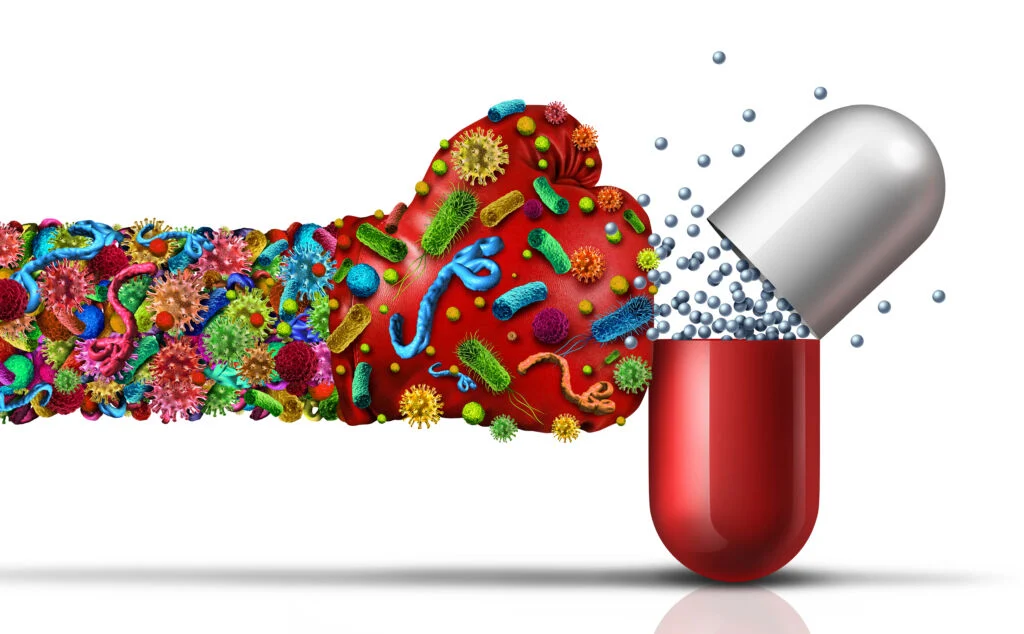
Antimicrobial Resistance (AMR) occurs when microorganisms such as bacteria, viruses, fungi, and parasites evolve to resist the drugs designed to kill them. This resistance reduces the effectiveness of antibiotics, antivirals, antifungals, and antiparasitic medications, making infections harder to treat and increasing the risk of disease spread, severe illness, and death.
In simple terms, AMR is nature’s way of adapting, but human practices like misuse and overuse of antibiotics have accelerated this process, creating “superbugs” that are difficult to treat.
Causes of Antimicrobial Resistance
- Overuse of Antibiotics: Frequent and unnecessary prescription of antibiotics in humans and animals contributes to resistance.
- Incomplete Courses of Medication: Failing to complete prescribed treatments allows some microbes to survive and develop resistance.
- Poor Infection Prevention and Control: Inadequate hygiene, sanitation, and healthcare practices help resistant microbes spread.
- Use of Antibiotics in Agriculture: Antibiotics in livestock feed promote growth but also encourage resistance in bacteria that can transfer to humans.
Common Examples of Drug-Resistant Infections
- Methicillin-resistant Staphylococcus aureus (MRSA) – a common cause of skin infections.
- Multidrug-resistant Tuberculosis (MDR-TB) – resistant to the most effective TB drugs.
- Drug-resistant E. coli – a frequent cause of urinary tract infections and sepsis.
- Carbapenem-resistant Enterobacteriaceae (CRE) – often found in hospital settings, difficult to treat.
Global Impact of AMR
Antimicrobial resistance is not just a local issue, it is a global health threat. According to the World Health Organization (WHO):
- AMR is responsible for over 1.27 million deaths annually worldwide.
- If left unchecked, AMR could cause 10 million deaths per year by 2050, surpassing cancer as a leading cause of death.
- Economically, AMR could lead to billions in healthcare costs and reduced productivity due to prolonged illness.
In conclusion, Antimicrobial Resistance (AMR) is one of the most pressing public health challenges of the 21st century. By understanding its causes, recognizing its risks, and adopting responsible behaviors, individuals, communities, and governments can slow the spread of resistant microbes. Combating AMR requires global cooperation, responsible antibiotic use, and ongoing research to protect future generations.